Fourier series
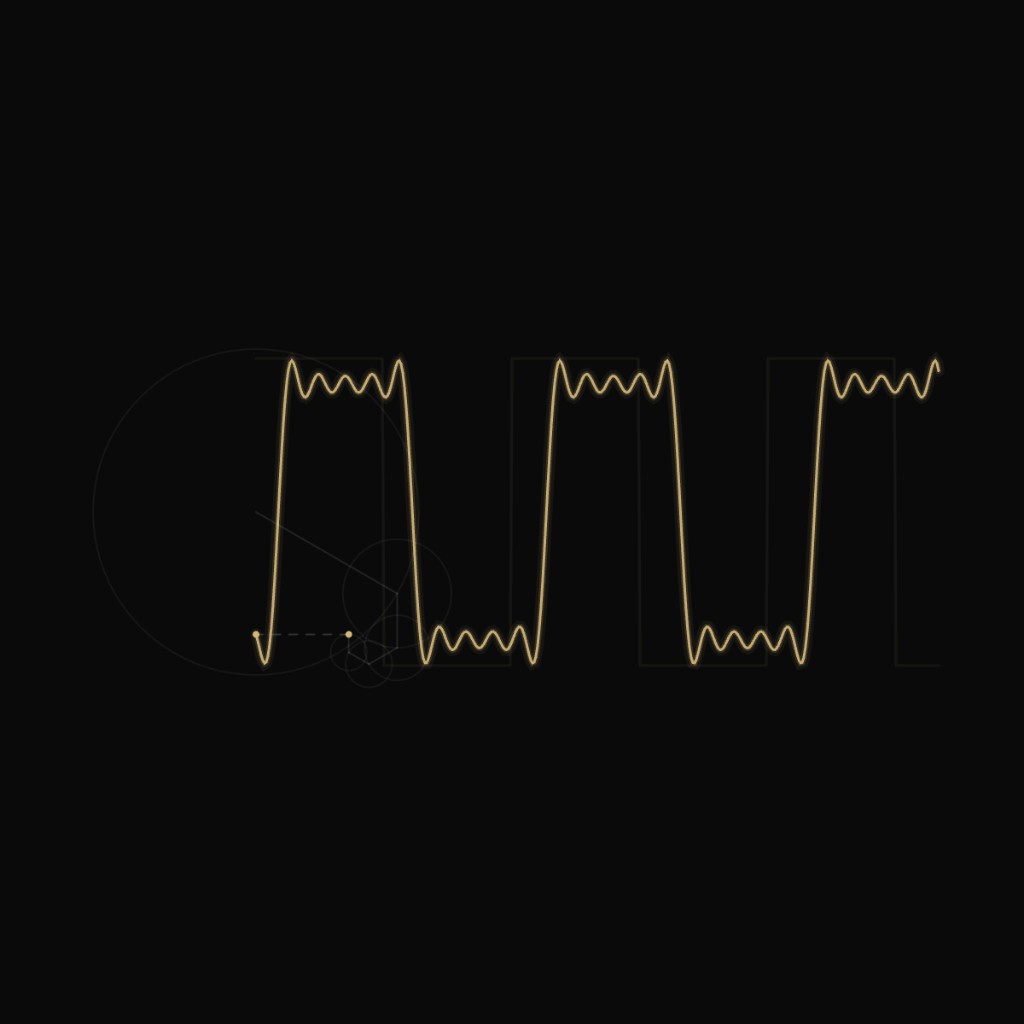
Add sines and cosines to approximate a periodic function, and change the number of terms N to watch convergence and the Gibbs phenomenon.
8 pieces about this concept, across works, topic guides, and exam visualizations.
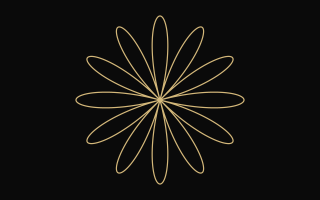
The polar equation r = a cos(kθ) draws a rose, and an integer k sets how many petals appear.
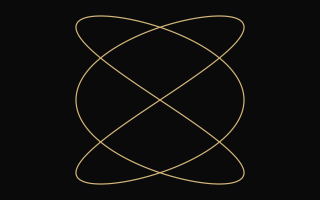
The curve x = A sin(at + δ), y = B sin(bt) takes its shape from the frequency ratio a:b and the phase δ.
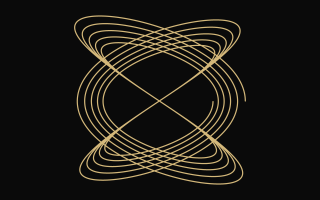
A damped harmonograph traces x = A sin(at + δ) e^(-dt), y = B sin(bt) e^(-dt), and frequency, phase, and damping set how the orbit closes in.
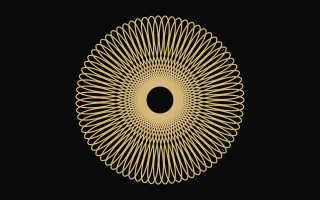
A hypotrochoid is the path of a pen on a circle rolling inside a fixed circle; R and r set the corners, and d sets how sharp they are.
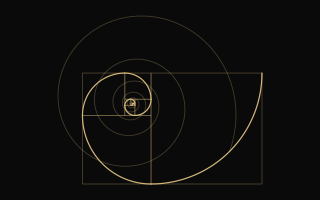
Quarter-circles on squares of Fibonacci side lengths approximate a logarithmic spiral.
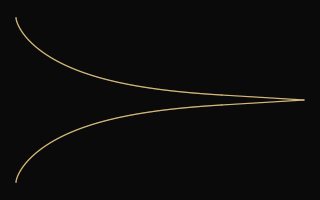
A rope of fixed length tows a point along a tractrix, with sech and tanh and a symmetric pair of tracks.
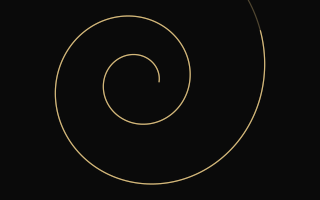
The radius r = a e^(bθ) grows with the angle, and every ray from the origin meets the curve at one fixed angle.